Raingarden Design | Stormwater Management for Gardens | Botanical Tradition |
A raingarden is one of the most effective and visually rewarding ways to manage stormwater on a residential or commercial property. Rather than allowing rainfall to rush across hard surfaces, picking up pollutants before entering our waterways, a well-designed raingarden captures, filters and slowly releases that water back into the landscape — where it can do genuine good. Far from being a purely functional element, a raingarden can become one of the most interesting and ecologically productive areas of your garden, supporting native plants, beneficial insects and healthy soil biology. At Botanical Traditions, we design raingardens as part of a broader, integrated approach to sustainable landscape design — practical solutions that are as beautiful as they are purposeful. At its simplest, a raingarden is a specially designed planted depression or shallow basin that receives stormwater runoff from roofs, driveways, paths or other hard surfaces. As water flows into the raingarden, it passes through layers of carefully selected growing media, plant root systems and, in some designs, a gravel filtration layer beneath. This process naturally removes sediment, nutrients, heavy metals and other contaminants before the water infiltrates the soil or is directed to a storage tank for later use. |
How a Raingarden Works |
Raingardens are not simply garden beds that get wet. They are engineered systems designed with specific objectives in mind:
The design of a raingarden must account for local soil conditions, the volume of water it is expected to receive and the rate at which that water can infiltrate or be discharged. In areas with heavy clay soils or poor drainage, additional engineering measures are typically required to ensure the system functions correctly and does not become waterlogged. |
Choosing The Right Plants |
Plant selection is critical to the success of a raingarden. Plants must be able to tolerate both periods of inundation when rainfall is heavy and periods of relative dryness between rain events. Australian native species are particularly well suited to this role, having evolved to manage the extremes of our climate. Sedges, rushes, lomandras and many grassland and wetland species perform reliably in raingarden conditions. The right plant palette will also attract beneficial insects and birds, adding ecological value beyond water management. |
Where Raingarden Work Well |
Raingardens can be integrated into a wide range of settings, including:
They are particularly effective in urban settings where hard surfaces dominate and the volume of stormwater generated can overwhelm conventional drainage systems. |
Why Consider a Raingarden |
Beyond their functional benefits, raingardens contribute meaningfully to the health and resilience of your garden and the broader environment:
|
Getting the Design Right |
A raingarden that is poorly sized, incorrectly planted or inadequately drained can become a waterlogged problem rather than a practical solution. It is important that the system is designed to suit the specific site conditions, including the catchment area draining to it, soil permeability, available planting space and any relevant local authority requirements. At Botanical Traditions, we design raingardens as integrated components of a broader water management strategy — not as an afterthought. Whether you are looking to manage stormwater from a single downpipe or designing a whole-of-property water harvesting system, we can recommend a solution that is practical, attractive and genuinely effective. Discover more of our work and related sustainabile topics down below: |
Sustainability Waterwise Gardening |
Click on this page to discover more practical water wise gardening strategies for Australian gardens. Botanical Traditions helps you reduce mains water use, improve garden health and design smarter from the ground up |
 |
 |
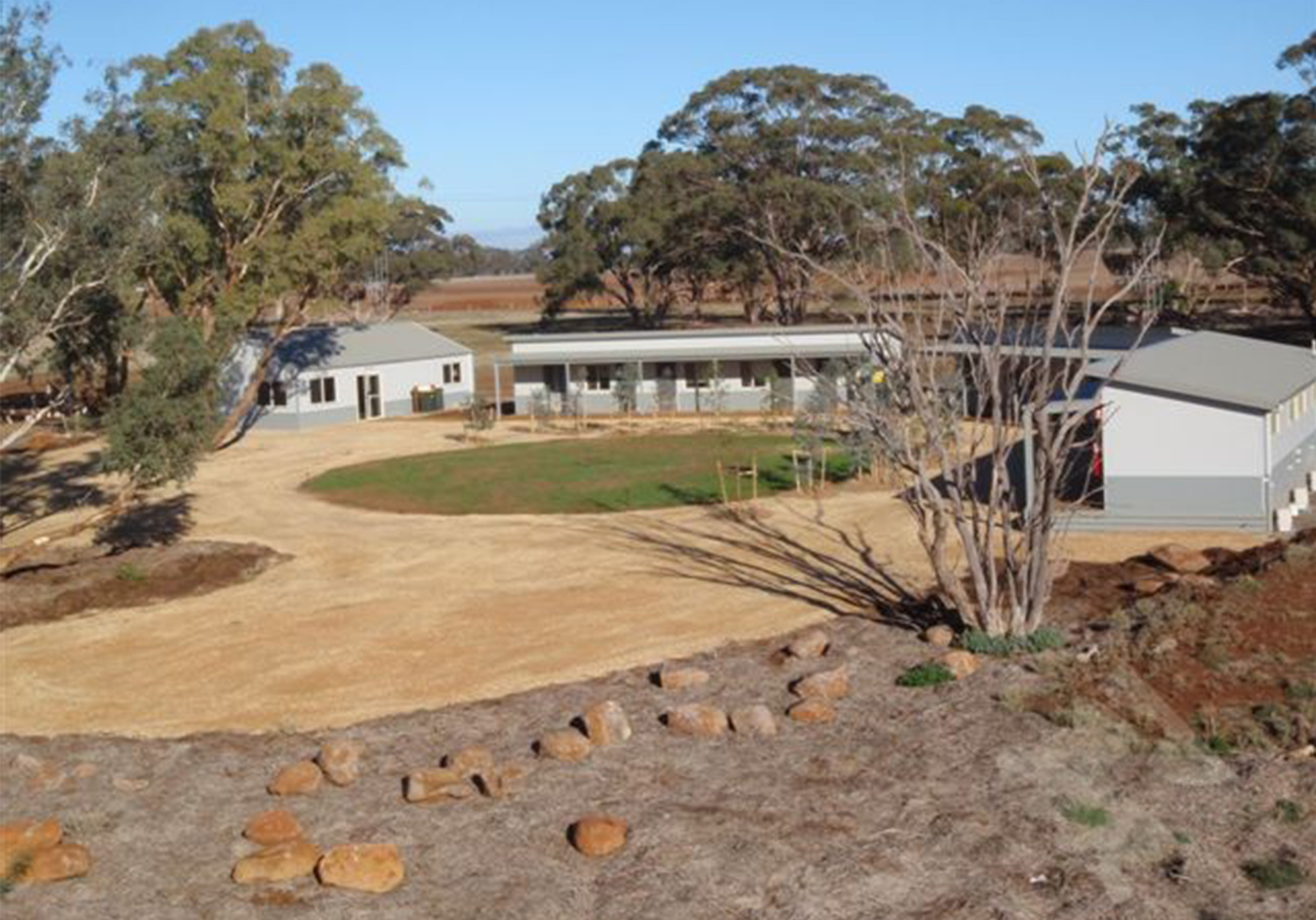 |
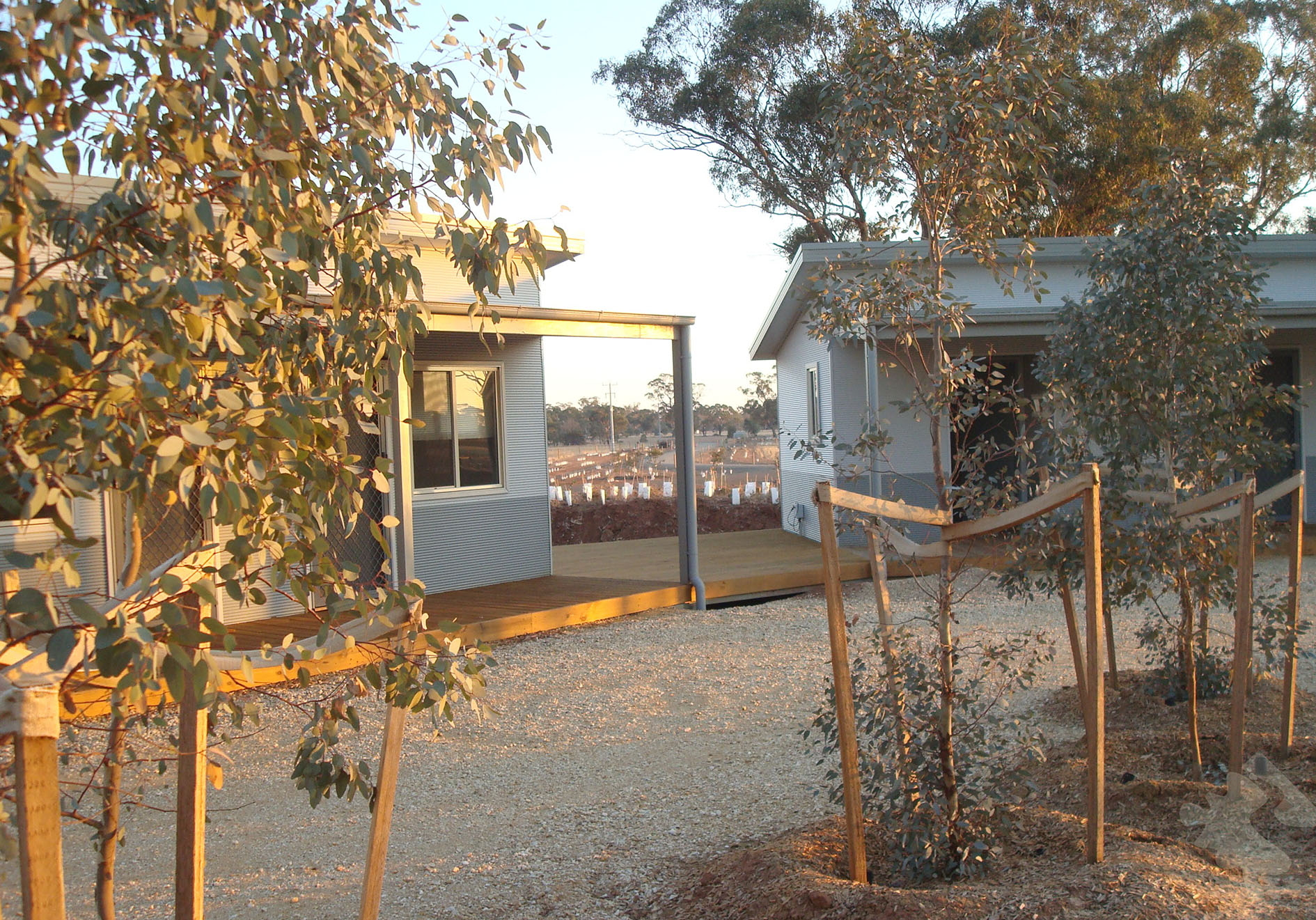
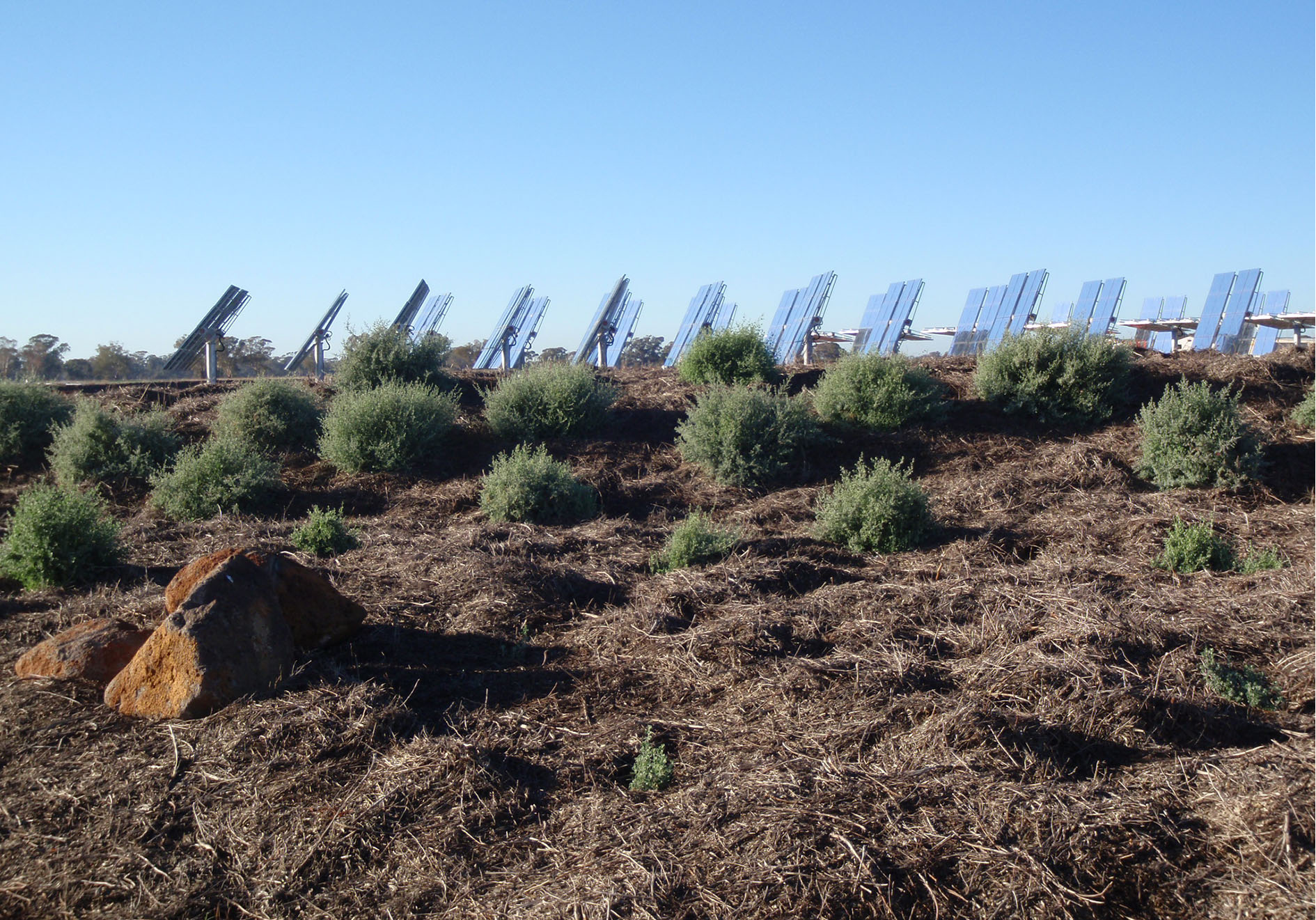
Commercial Landscape Design - Bridgewater Solar Power Plant Designed by Botanical Traditions |
 |
 |
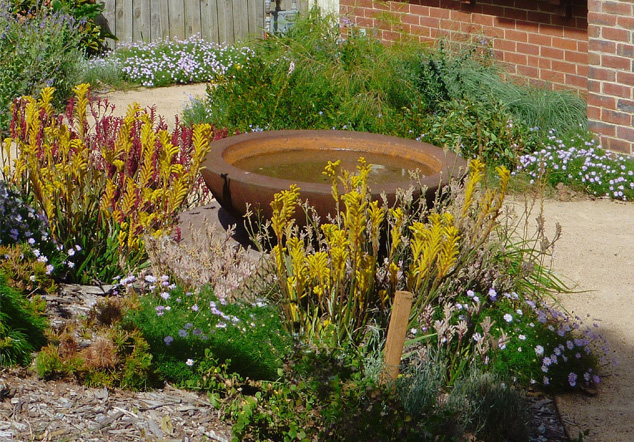 |
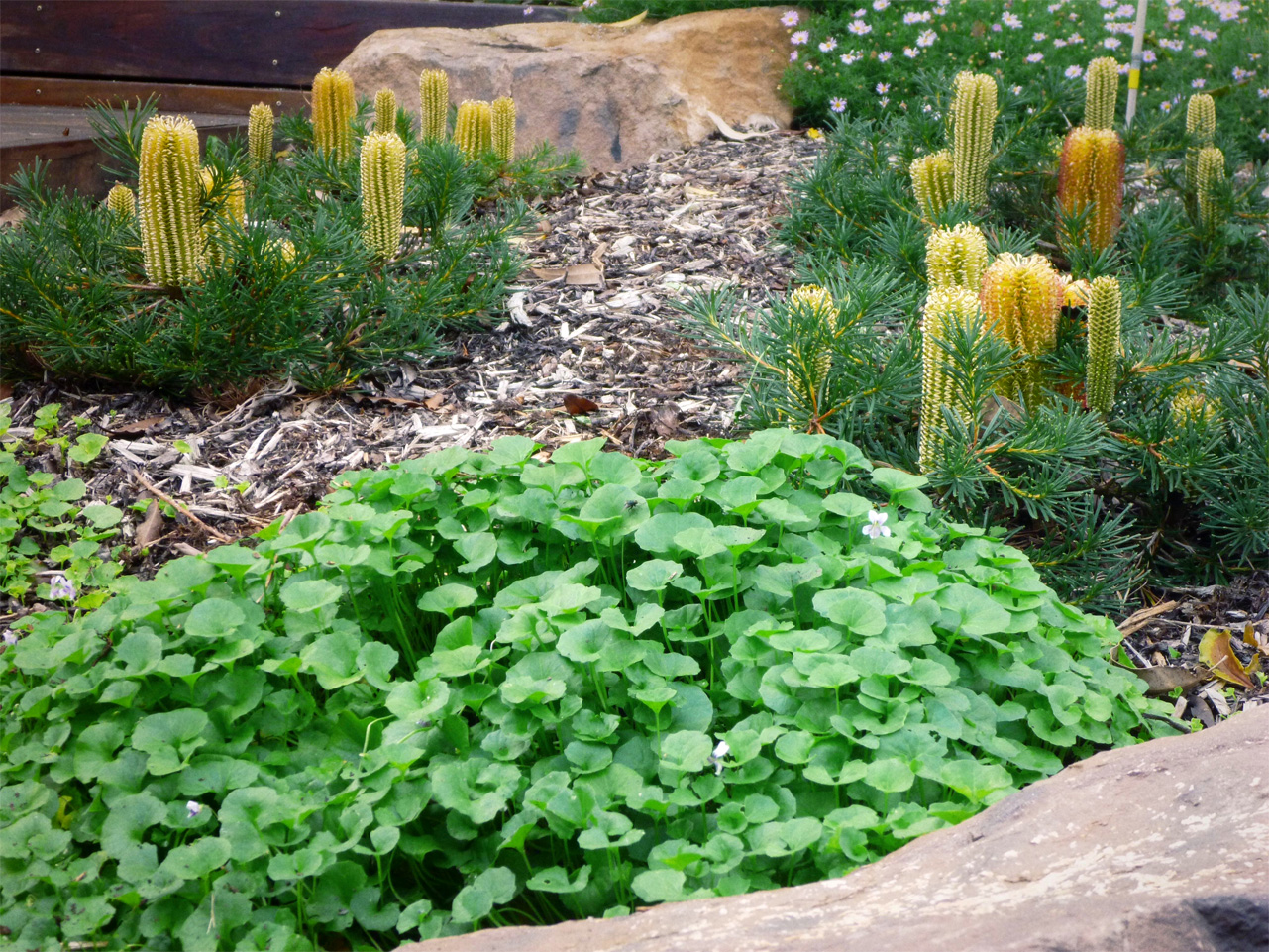
Planting Designs for Native Residential Gardens Designed by Botanical Traditions |
Ready to Bring Sustainability Into Your Garden? Talk to Us Today |
Whether you are planning a new raingarden, upgrading an existing landscape for water-sensitive design, or require a planting plan as part of a council permit application, we would be delighted to discuss how we can help. Call us on (03) 9012 5386 or use our contact form to get in touch. We service Melbourne and all of Victoria, as well as the Sydney CBD and Southern NSW.
|